An Exclusive Interview with Geoff Browne: Capturing Heart, Surf, and Survival in Godpower
Curated by Ermandha (Amanda David)
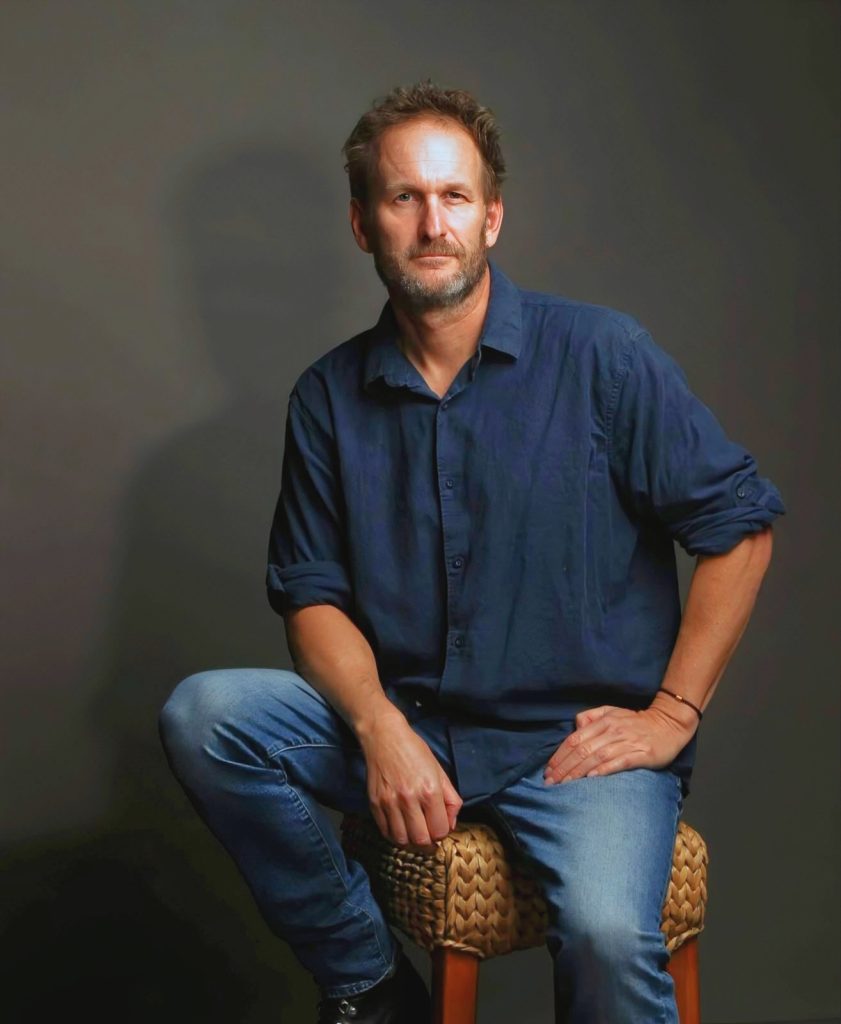
At AFRIFF, meeting award-winning Canadian-American filmmaker Geoff Browne offered an extraordinary lens into cross-border storytelling. His latest short film, Godpower, follows a surf instructor in Tarkwa Bay, Nigeria, battling to keep his family afloat as life pushes him toward an unthinkable choice.
As a true multihyphenate creative who wrote, produced, directed, shot, and co-edited the film, Geoff brings a rare, holistic vision to independent cinema. In this exclusive interview curated by Rara Avis, we dive deep into the heart of Godpower, the realities of filming on Nigerian waters,and the nitty-gritty of independent filmmaking.
On the Film and AFRIFF Participation
Godpower started from an accidental surf lesson in Tarkwa Bay that turned into a powerful cinematic narrative. How did that initial meeting with GP Pekipuma evolve into a script, and what does it mean to showcase this story on a platform like AFRIFF?
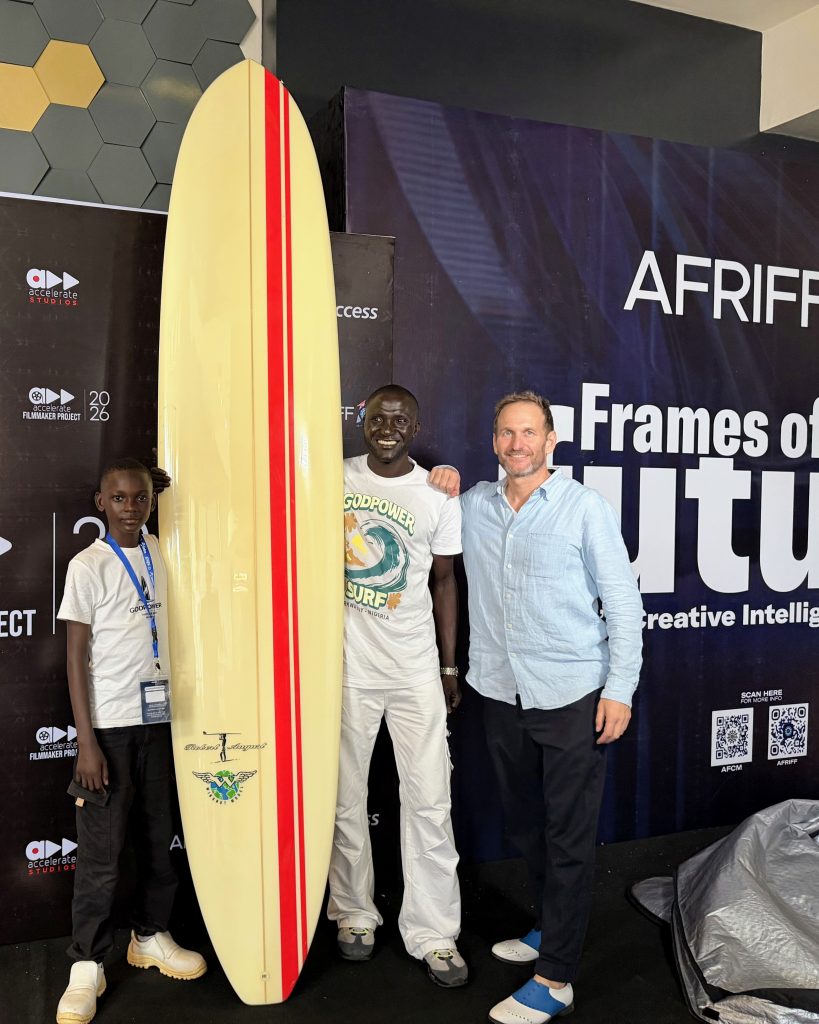
It started with a T-shirt. I saw Nigeria listed as a location on a shirt for Bruce Brown‘s The Endless Summer, and I thought, surfing in Nigeria? Bruce Brown filmed on Nigerian beaches back in 1966, and I later learned that GP took up surfing because he saw that film as a kid.I booked a lesson off Instagram and flew to Lagos. I met GP under a bridge, and instead of a beach there was a little blue banana boat waiting to take us to Tarkwa Bay. It’s a village you can only reach by water.That ride changed everything. The waves, GP‘s friends, fresh fish, the whole community. It’s an oasis about twenty minutes from one of the biggest cities on earth, and I couldn’t believe the world didn’t know about it. By the end of the lesson I knew I had to make a film there. Bringing it home to AFRIFF meant the world to me. GP‘s family and many of the people who made the film with us watched it together on the big screen. When I left Tarkwa Bay I promised them I wouldn’t let this story die on a hard drive. Sitting in that theater with them, I felt I’d kept that promise. I also handed GP a replica Endless Summer board from Bruce Brown Films. The film that inspired him to surf as a boy is the same film that brought me to him. That board closed a circle that started in 1966.
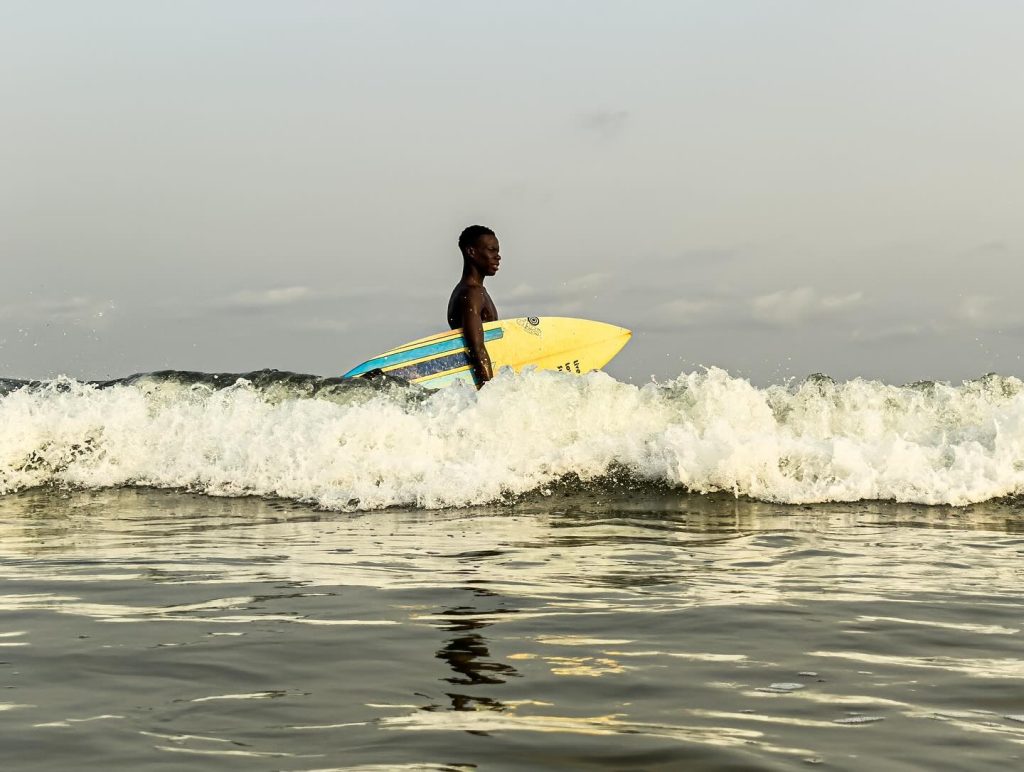
Most international media portrays Lagos through a frantic urban lens. With Godpower, you spotlight the serene yet gritty coastal community of Tarkwa Bay. How intentional was it to reshape global perceptions of Nigeria’s geography and culture through this lens?
Changing how people see Nigeria was a big part of why I made this film. That goes for the film itself and for the story of how it was made. Outside Africa, people hear “Lagos” and picture chaos. What I found was the opposite. Complete strangers opened their homes, their beach and their lives to me, and stepped in front of a camera to help tell their own story. When I tell audiences in LA or Europe how this film got made, you can see their picture of Nigeria change in real time. That generosity is also what drove me to finish the film and get it out there.
Godpower packs immense emotional weight, fatherhood struggles, and moral tension into a short format. What are the unique storytelling advantages, and creative constraints, of telling such a high-stakes story in a short film runtime?
A short gives you no time to warm up. You have to build empathy fast and get into the tension almost immediately, so most of the work happens on paper before you ever shoot. I think of the limits as a gift. They push you into a creative corner where you can only work with what’s real and in front of you. You stop chasing a million options and focus on the one story you need to tell.
Filming in Nigeria and Working with Emerging Talent
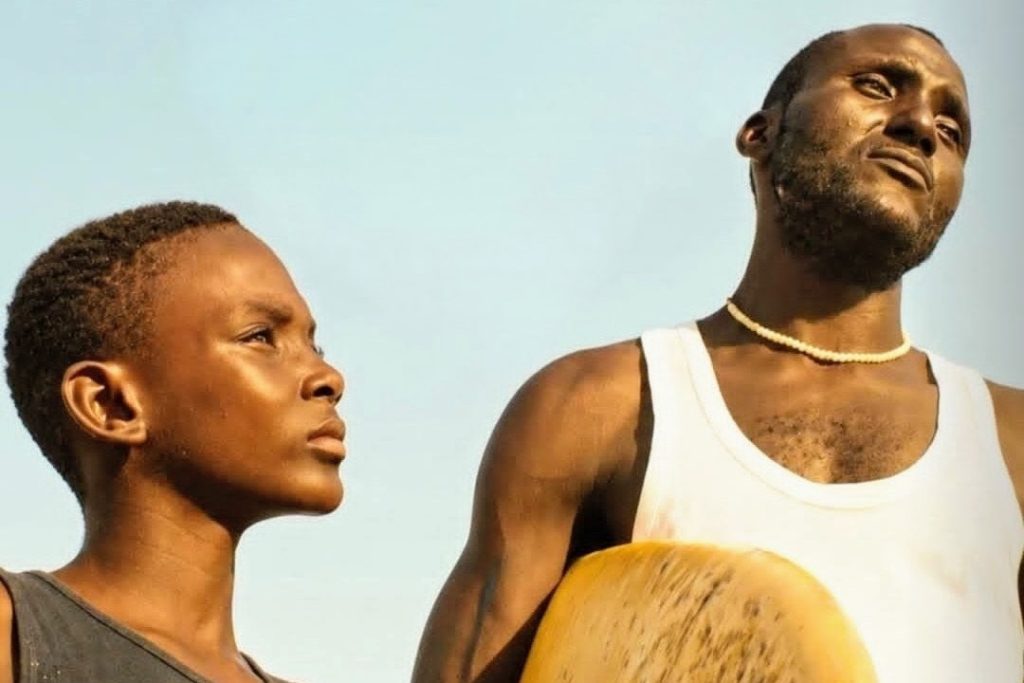
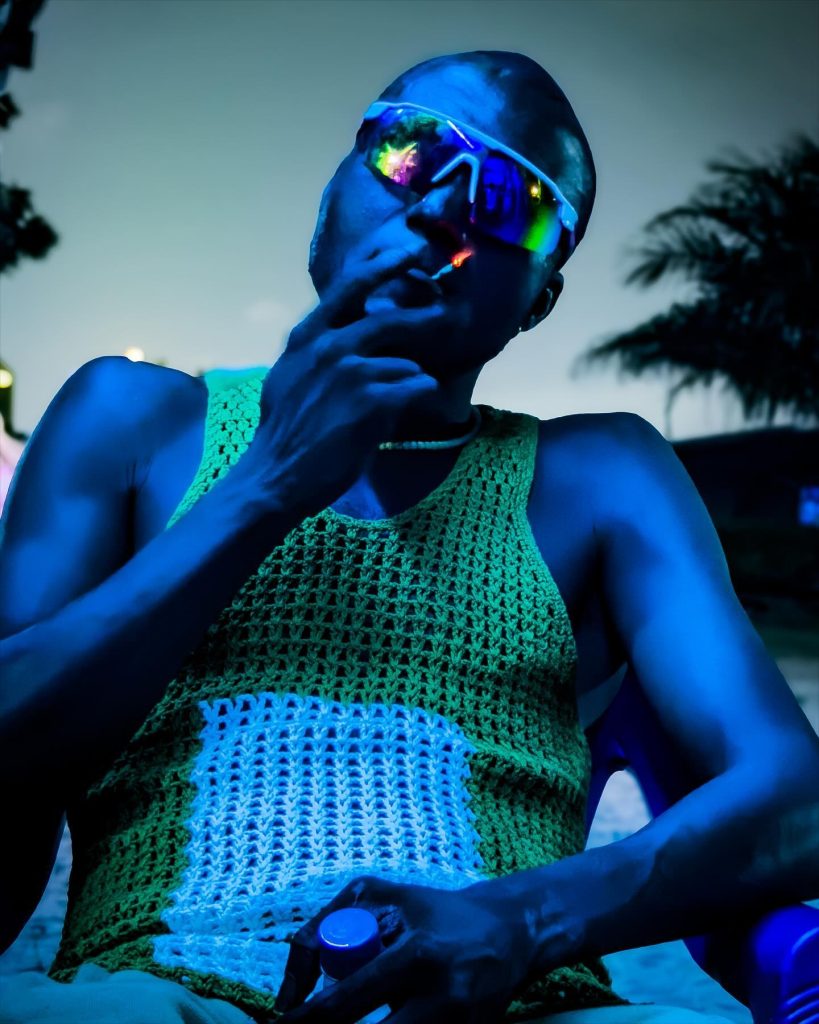
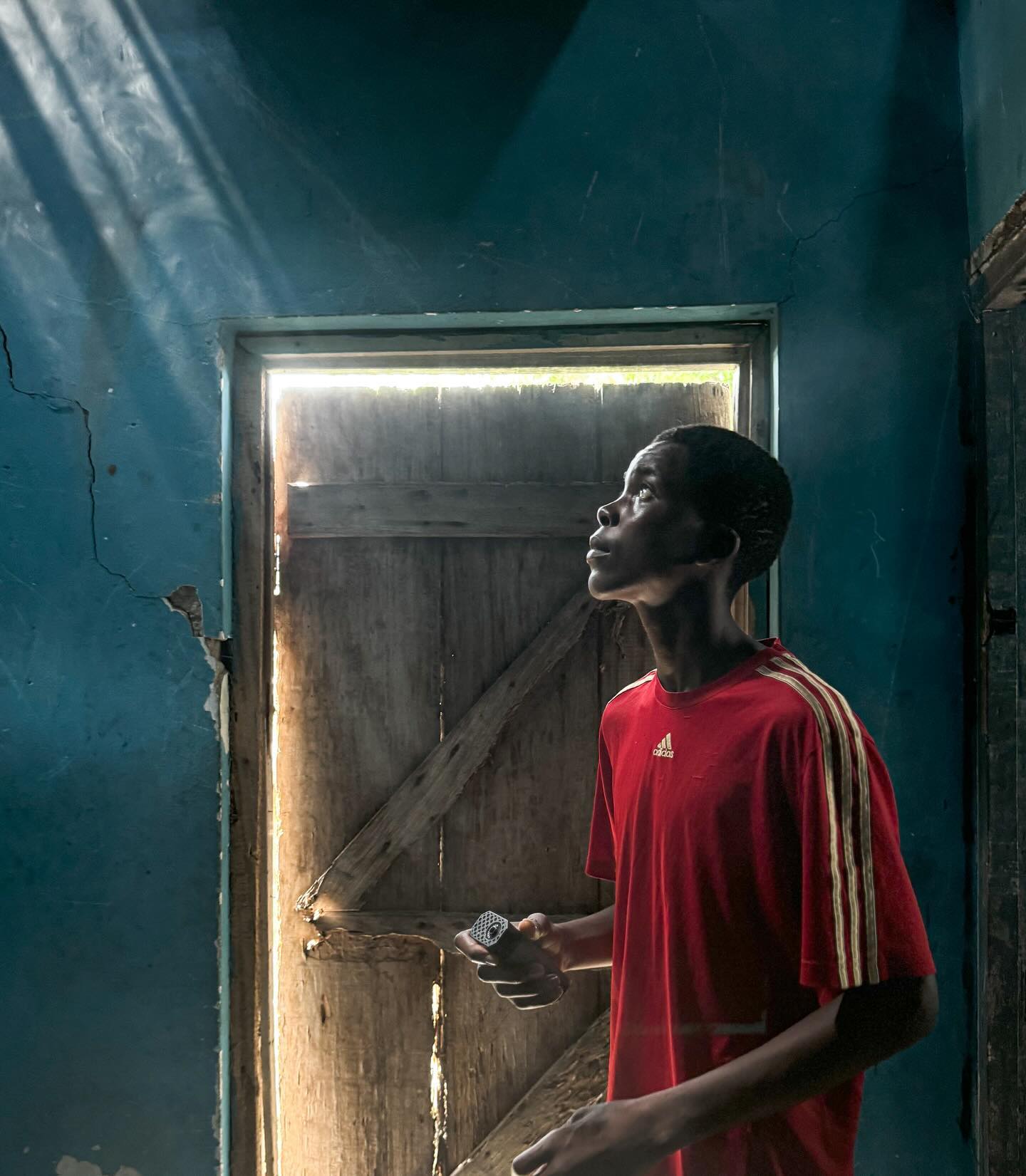
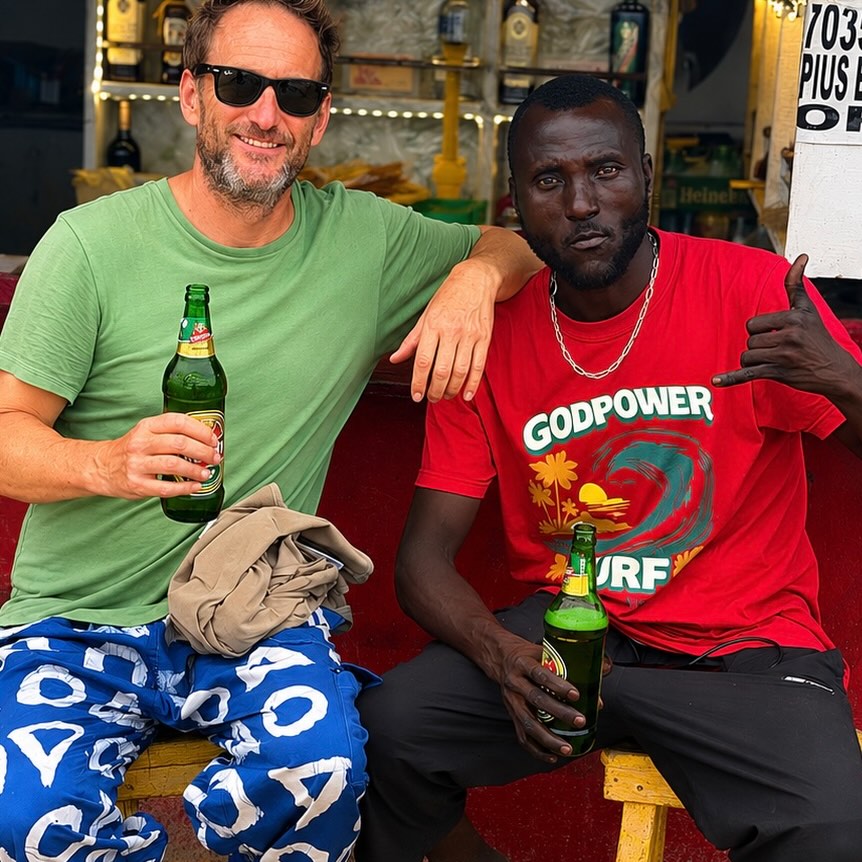
You cast real-life surf instructor GP Pekipuma and his son Isaac in the lead roles, alongside first-time local actors. How did you foster that level of raw, vulnerable, and authentic performance from individuals who had never acted before?
I’ve spent years in documentary, including three seasons on National Geographic‘s Drugs Inc. and shooting for two-time Oscar winner Malcolm Clarke, so I know what real behavior looks like on camera. I’ve also trained with acting coaches in LA. To cast Isaac, GP‘s son, I used an audition-style approach inspired by Phillip Noyce‘s work with young non-actors on Rabbit-Proof Fence. On set, I directed GP, Isaac and the community cast much as I would trained actors. I just explained more, and I made sure everyone knew that repeating takes wasn’t about them. I was building options for the edit, because we couldn’t comeback and reshoot. Everyone showed up open, listened hard, and gave me everything. GP and Isaac playing father and son on screen, while being father and son in real life, is the heart of the film.
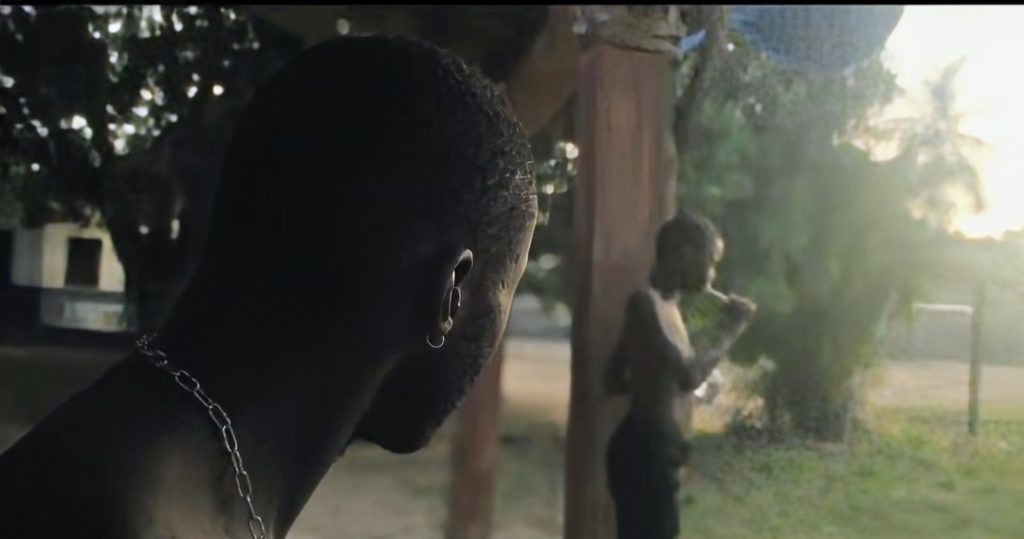
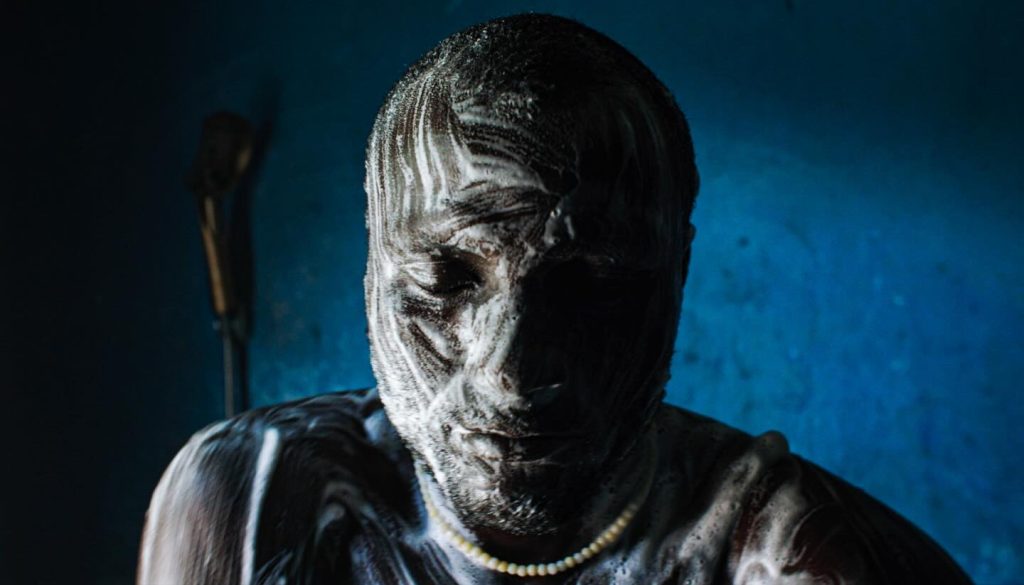
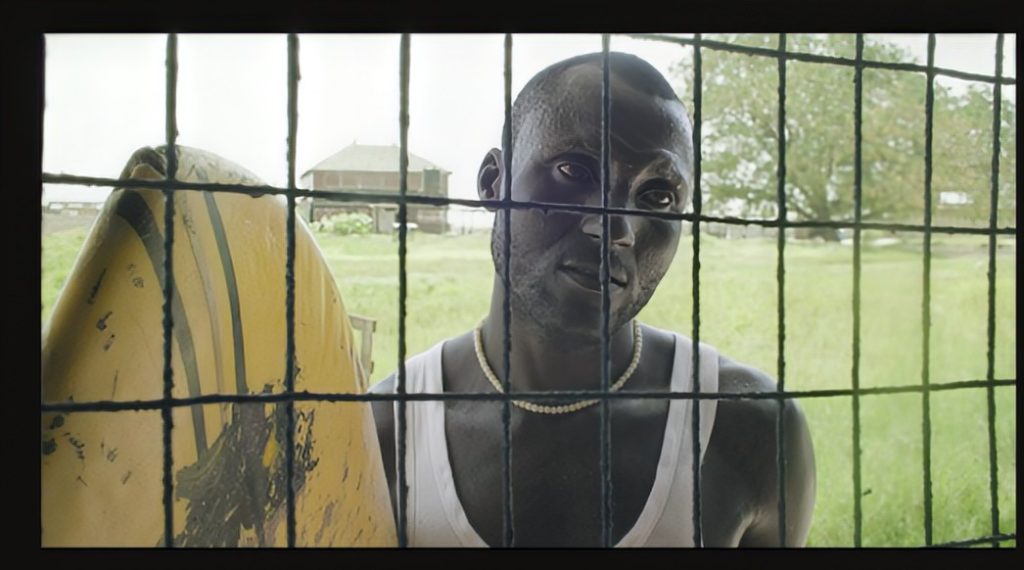
Shooting independently in a unique coastal terrain like Tarkwa Bay comes with distinct logistical hurdles, from equipment and power to local navigation. What were some of the most surprising production challenges you faced, and how did the local community help you overcome them?
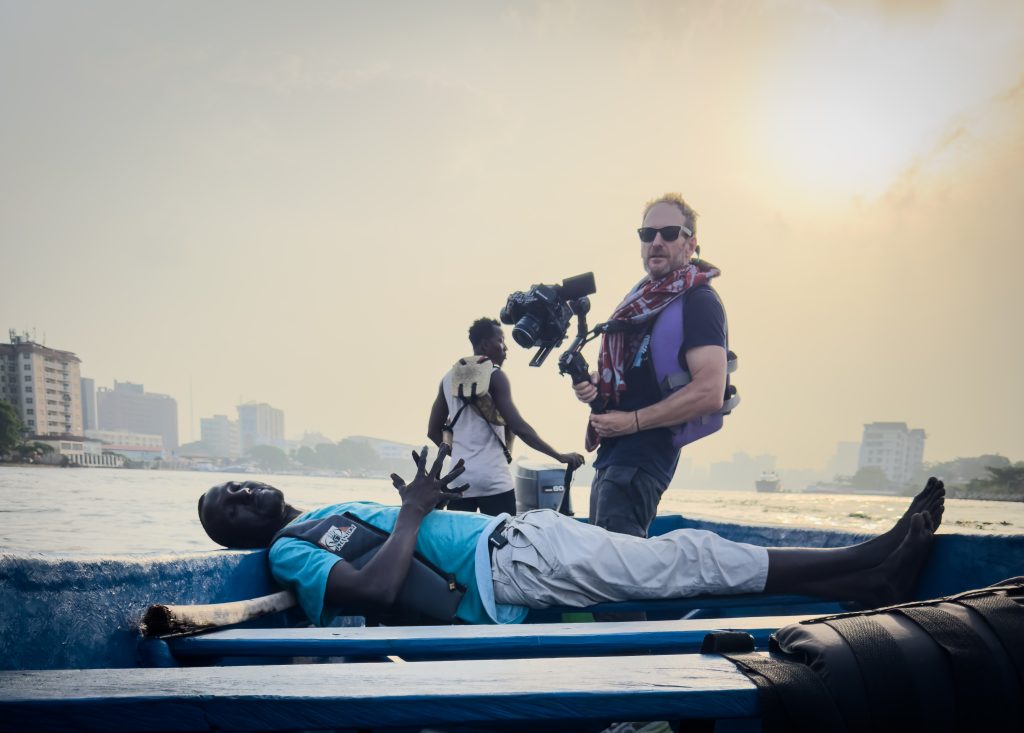
The biggest challenge was sound. There’s no grid electricity in the village, so everything runs on generators. They’re the island’s lifeline, and they rumble day and night. So I’d ask people to pause their lives. Could you switch off the generator for five minutes? Could you turn the music down for one take? Five minutes sometimes became an hour. I also planned everyday around the light, and some days we started before dawn. Strangers kept saying yes. And if we were shooting at a bar, the drinks were on me. It was a lot of pressure, but it was some of the most fun I’ve had making anything.
Having spent years working across Nigeria on various projects, how do you balance your lens as an outsider with the deeply localized truths of the communities you document, ensuring the narrative remains authentic to them?
It comes down to respect, and to believing we’re all wired the same. Working in documentary around the world has shown me that everywhere, people want the same basic things. You don’t get authenticity by pointing a camera at people. You get it by sitting down and sharing a meal with them first. I got to stay in Tarkwa Bay after the tourists went home, eating with GP‘s family and his friends. Then I developed the script with GP, because someone from the community has to shape the story with you. It’s a narrative film, not a documentary. We wanted to entertain, but in a way that’s truthful and respectful.
Collaboration and The Multihyphenate Workflow
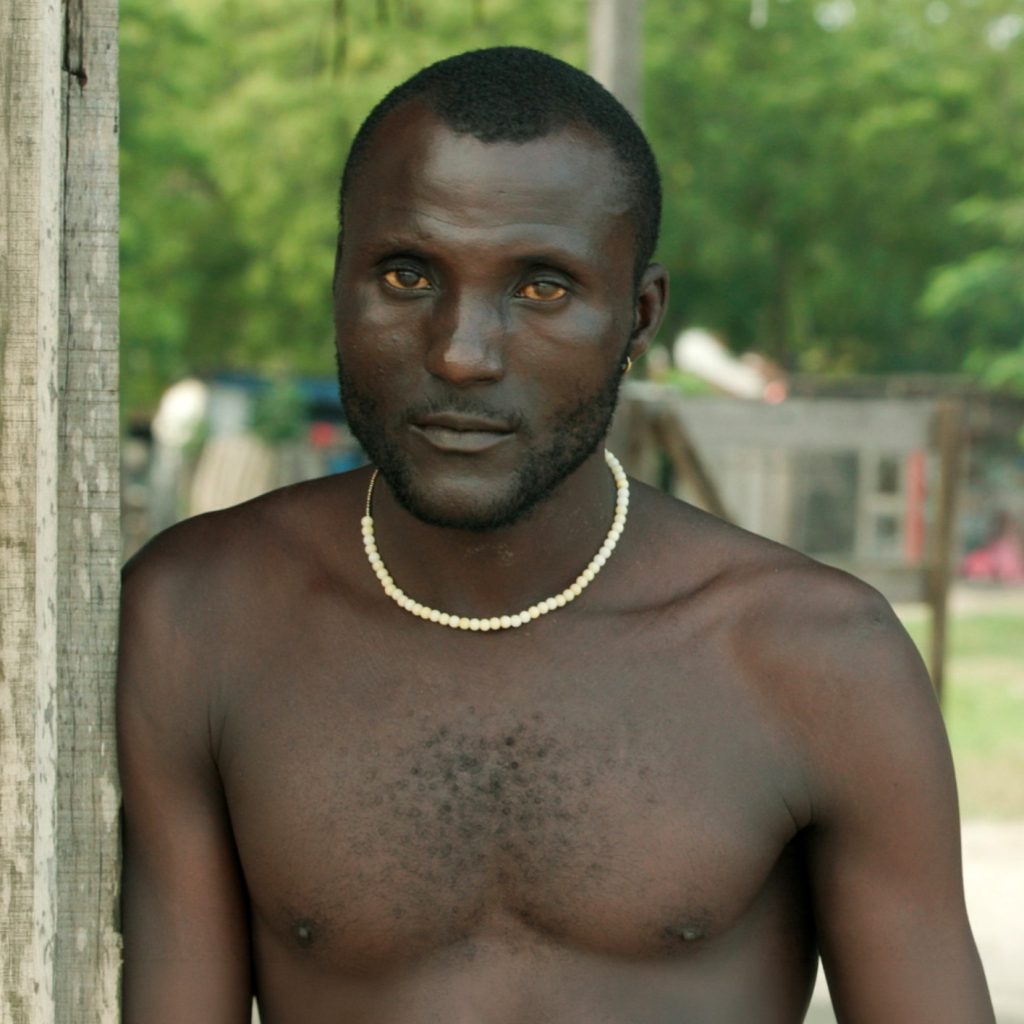
On Godpower, you wore multiple hats as the writer, director, cinematographer, co-producer, and editor. How do these various creative disciplines inform one another while you are physically on set? Does being the cinematographer change the way you direct your actors?
Cinematography is painting with light, color, wardrobe and location, so every frame tells a small story. Directing is making that world believable through the actors. I shot it alone with a deliberately small kit: a Canon C70, a gimbal, two lenses, a low tripod, lav mics, two tube lights and a pocket hazer. Mostly I used available light. The camera’s texture and grain suited the rawness of the story. I wanted it to feel lived-in, not polished. Operating the camera myself put me right inside the scene, inches from the performers, free to drift with a look or a gesture. It also means everything is on you. GP‘s son and friends jumped in to hold lights, and I’d teach them on the spot. And Tarkwa Bay itself is production design you could never build. Everything around you is real, and real is always more beautiful than perfect.
You co-wrote the story and shared producing duties with GP Pekipuma himself, alongside a tight-knit collaborative team. What did collaborative co-authorship look like in practice, and how did it protect the integrity of the story?
After my first trip I kept calling GP. Conversation after conversation, I pulled the emotional truths of his life into the script. It’s inspired by his reality but it’s not his biography. It’s a narrative film, and he’s acting in it. Once we trusted each other, the collaboration was easy. My job as an outsider was to make sure Tarkwa Bay and Nigeria were portrayed honestly and never exploited, while still giving audiences a story that grips them. GP is credited as co-story writer and producer because he earned both.
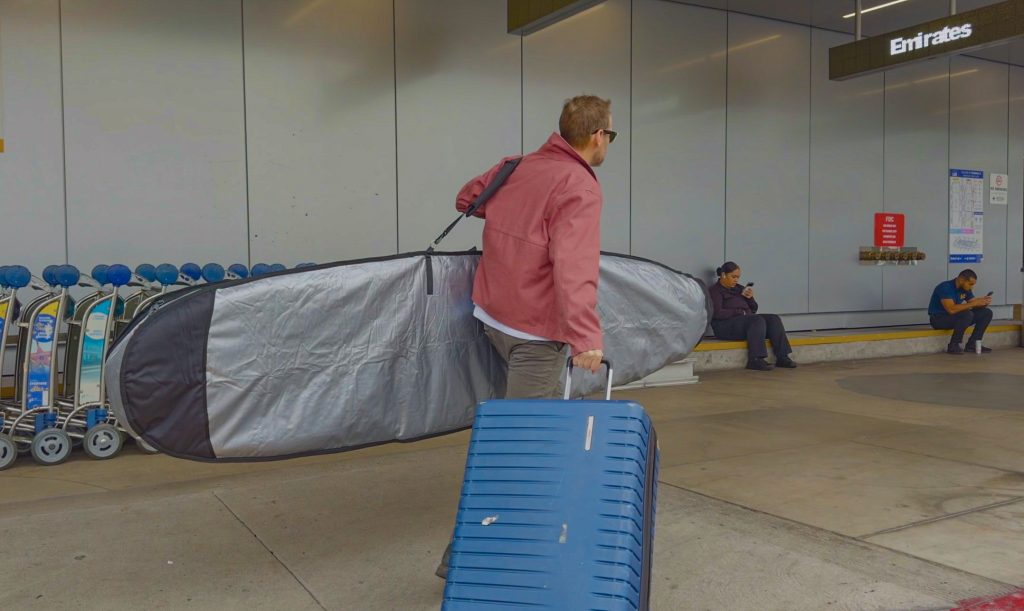
Since you also edited the film (alongside Garry M.B. Smith), how much did the original script change during the editing process when dealing with real-world, unscripted nuances captured on location?
The script held up almost entirely. The biggest change came on location, when I saw the phone-charging station where people pay to charge their phones. “Power” became a thread through the whole film: power for his phone, power for his home, the power to provide for his son. It’s also in his name. In post, I cut the film with Garry M.B. Smith, A.C.E., who also supervised post, with Crystal Platas as assistant editor. Dermot Shane graded it in Vancouver, John Chalfant did the sound design and mix, and Luc St. Pierre‘s score, with Nigerian musicians adding their sound, gave the film its heartbeat. A one-man shoot became a team effort the moment I got home.
Executive Production, Funding and Creative Independence
Securing funding for a localized narrative short without traditional studio backing is a massive hurdle. How did you and executive producer Alex Mecl approach the financing and executive production structure to bring Godpower to life independently?
Godpower was made on passion, not a budget. I own my camera, sound and lighting gear, so I shot it alone. That’s the only way a film like this gets made. Once it was cut, I showed it to Alex Mecl, CEO of Bruce Brown Films. He came on as executive producer and helped cover post costs. The film was born from The Endless Summer, so having Bruce Brown Films present it felt like fate. Now that the short has won the Grand Jury Prize for Best Short Film at Dances With Films and qualified for the Oscars, we’re building the feature.
Beyond festival runs and awards, what is the long-term commercial and community vision for Godpower? How are you leveraging independent distribution to ensure the film reaches global audiences and directly benefits the Tarkwa Bay community?
The short is the proof of concept. We’re now developing the feature about GP and Tarkwa Bay, and anyone who wants to be part of it can back us on Seed and Spark at seedandspark.com/fund/godpower. For Tarkwa Bay: GP is a credited producer and co-story writer, and this is opening doors for him and Isaac as actors. We’re also building Godpower Surf, a surf and apparel brand, together, at godpowersurf.com. And every screening puts Tarkwa Bay on someone’s map. People who’d never heard of surfing in Nigeria now want to go, and when they come and learn from local instructors like GP, that money goes straight into the community.
For international filmmakers looking to tell stories in Nigeria, and for African multihyphenates trying to break onto the global stage, what is the most critical lesson you’ve learned about building genuine, equitable creative partnerships?
Respect, truth and an open mind, on both sides. Ask the community whether they want the story told before you tell it. And don’t let anyone box you into making a postcard film. Make something people genuinely want to watch. If the film connects, it earns you the platform to talk about everything else. That goes for international filmmakers coming to Nigeria and for African filmmakers taking their stories global.